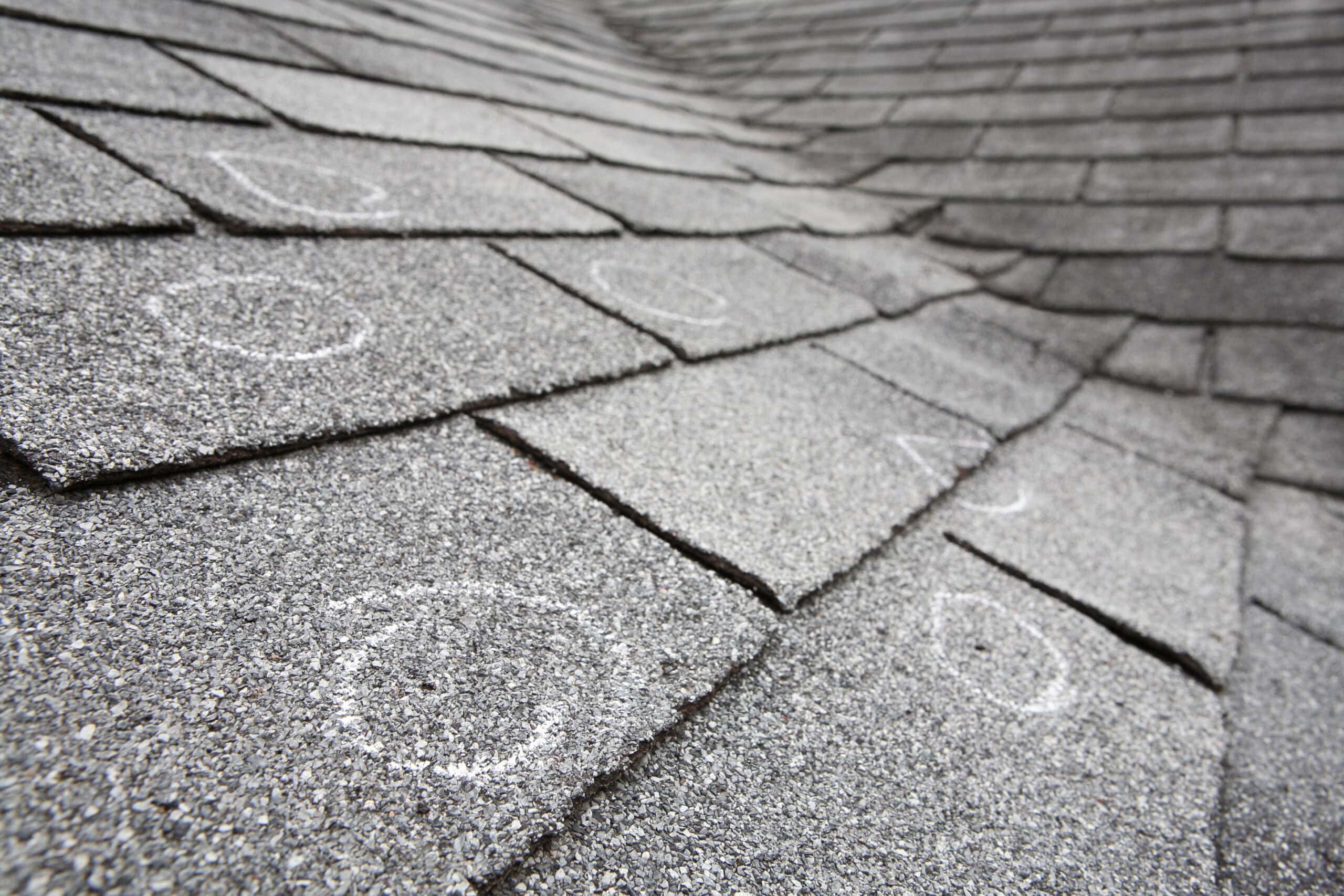
What Does a Roof Inspection Include in Baton Rouge?
A roof inspection is a detailed evaluation of visible roofing materials, flashing, roof edges, penetrations, drainage areas and other accessible components that can reveal storm damage, deterioration, leaks or conditions that may require repair or further evaluation.
A professional roof inspection typically includes the shingles or other roof covering, flashing, valleys, ridge areas, vents, penetrations, roof edges, visible decking conditions, drainage areas and signs of leaks, storm damage or material deterioration.
Homeowners often schedule a roof inspection because something obvious happened, such as a leak or missing shingles. Many roofing problems, however, begin before water starts dripping into the house.
Wind can loosen or crease roofing materials. Hail can affect shingles and exposed components without creating an immediate leak. Flashing can deteriorate around roof penetrations and transitions. Older roofing materials can gradually lose granules, crack or curl.
A roof inspection gives a homeowner a clearer picture of the roof's current condition and whether the next step should be continued monitoring, a repair, replacement or another type of evaluation.
Wall2Wall Roofing & Construction provides free roof inspections in Baton Rouge for homeowners who want to better understand the condition of their roof.
What Does a Professional Roof Inspection Cover?
The exact inspection depends on the roofing system, accessibility and the conditions present at the home. A typical roof inspection focuses on several important areas.
Shingles and Roofing Materials
Roofing materials are checked for visible deterioration, missing or displaced shingles, cracking, curling, granule loss and other changes that may affect roof performance.
Flashing
Flashing helps protect transitions and openings in the roofing system. Inspectors look around walls, vents and other penetrations for visible damage, separation or deterioration.
Valleys and Roof Transitions
Valleys and transition areas handle significant water flow and can become vulnerable when roofing materials wear, shift or deteriorate.
Ridge Areas and Roof Edges
Ridge caps, eaves and perimeter edges can be affected by wind, weather exposure and normal material aging.
Vents and Penetrations
Plumbing vents, exhaust vents and other roof penetrations are checked for visible concerns around their roofing connections and flashing.
Visible Decking and Roof Shape
Where components are visible or safely accessible, an inspector can look for deterioration, soft areas, sagging or changes in the roof line that deserve closer evaluation.
Does a Roof Inspection Look for Storm Damage?
Storm damage is not always obvious from the driveway. A roof can appear intact from the ground while shingles, ridge areas, roof edges or flashing have been affected.
Baton Rouge homeowners regularly deal with thunderstorms capable of producing strong wind, heavy rain and hail. The National Weather Service New Orleans/Baton Rouge has documented severe thunderstorms affecting the Baton Rouge area with 60 mph wind gusts, quarter size hail and the potential for wind damage to roofs.
Homeowners concerned about recent weather can learn more about storm damage roof inspections , wind damage roof inspections and hail damage roof inspections .
How Much Does a Roof Inspection Cost in Baton Rouge?
It is important to distinguish a roofing contractor's inspection from other professional services.
An independent home inspection, engineering evaluation, specialty report or other professional assessment may involve a separate fee and a different scope of work.
Wall2Wall evaluates visible roofing conditions and accessible roofing components. If a condition appears to require structural engineering or another specialty outside normal roofing work, the homeowner can be advised that further evaluation may be appropriate.
How Often Should You Have Your Roof Inspected?
There is no single schedule that fits every roof. Roof age, roofing material, previous repairs, weather exposure and current condition all matter.
Regular inspections can help identify smaller roofing concerns before they become larger problems. According to Allstate's roof inspection guidance , homeowners should consider regular roof inspections and additional checks after extreme weather events such as hail or strong wind.
Consider scheduling a roof inspection when:
- A severe thunderstorm, hail event or high wind event has moved through the area
- Shingles appear missing, lifted, cracked or displaced
- You notice granules collecting in gutters or around downspouts
- There are stains or signs of moisture inside the home
- The roof is getting older and its current condition is uncertain
- A previous roof repair area begins showing new changes
- Flashing, vents or roof edges look damaged
- You are trying to determine whether repair or replacement makes more sense
If roof age is the primary concern, learn more about roof wear and aging inspections .
Can You Inspect Your Own Roof?
You do not need to climb onto the roof to notice many signs that an inspection may be worthwhile.
From the ground, look for:
- Missing shingles
- Shingles or roofing material in the yard
- Uneven roof lines
- Visible damage around roof edges
- Debris impact
- Changes around vents or flashing
- Gutter damage
Inside the home, look for:
- Water stains on ceilings or walls
- New discoloration after heavy rain
- Moisture in accessible attic areas
- Visible daylight where it was not previously present
- Changes that appeared after a recent storm
What Happens During a Wall2Wall Roof Inspection?
Wall2Wall begins by evaluating the visible condition of the roofing system and looking for areas that may require closer attention.
Depending on the roof and the reason for the inspection, that may include checking roofing materials, flashing, valleys, penetrations, roof edges, signs of storm damage, visible wear and accessible roof components.
The purpose is not simply to tell every homeowner that a roof needs to be replaced.
Roof age is useful information. Roof condition is what should determine the next step.
If the roof can reasonably be repaired, that should be part of the conversation. If deterioration or damage is more extensive, replacement may make more sense. If a concern appears to fall outside normal roofing work, further specialty evaluation may be recommended.
Common Roof Problems Found During Inspections
No two roofs are exactly alike, but several conditions commonly lead Baton Rouge homeowners to request an inspection.
Wind Damage
Lifted, creased, loosened or missing materials can sometimes result from strong winds.
Hail Impact
Hail can affect shingles, ridge caps and exposed roofing components even when an immediate interior leak is not present.
Roof Wear
Granule loss, cracking, curling and material deterioration can become more noticeable as roofing materials age.
Weak or Vulnerable Areas
Valleys, flashing, penetrations, decking and roof transitions may show visible conditions that deserve repair or further evaluation.
Learn more about roof weak points and visible structural concerns .
Does a Roof Inspection Mean You Need a New Roof?
Age alone does not determine whether replacement is necessary. A roof that is older but performing well may present a different situation than a newer roof that has experienced significant storm damage.
If repairs are appropriate, Wall2Wall offers roof repair services . When replacement is the better long term solution, homeowners can also learn more about roof replacement .
Book a Free Roof Inspection in Baton Rouge
If you are concerned about storm damage, wind, hail, roof age, leaks or the overall condition of your roof, Wall2Wall Roofing & Construction can inspect the visible roofing system and explain what we find.
Schedule a Free Roof InspectionRoof Inspection Questions
What does a roof inspection include?
A roof inspection can include roofing materials, flashing, valleys, ridge areas, vents, penetrations, roof edges, visible decking conditions, drainage areas and signs of leaks, storm damage or wear.
How much does a roof inspection cost in Baton Rouge?
Wall2Wall offers free roof inspections for homeowners evaluating the condition of their roof or possible roofing work. Independent engineering, home inspection or specialty evaluations may have separate fees.
How often should a roof be inspected?
Homeowners should consider periodic roof inspections and additional inspections following severe weather, visible roof changes, leaks or other signs of possible roofing problems.
Should I have my roof inspected after a storm even if it is not leaking?
Yes. Wind or hail related roof conditions may exist without producing an immediate interior leak. An inspection can help identify visible concerns before they become more obvious.
Does an inspection mean my roof needs to be replaced?
No. The purpose of an inspection is to evaluate the current condition of the roof. Depending on what is found, the next step may be monitoring, repair, replacement or another type of evaluation.